June 25, 2025 • Research
Data Security in Social Impact Programmes: Protecting Vulnerable Participants
Expert guidance on maintaining robust data security in social impact programmes working with vulnerable populations, including compliance frameworks and practical safeguarding measures.
By Dr. Sharlene Holt
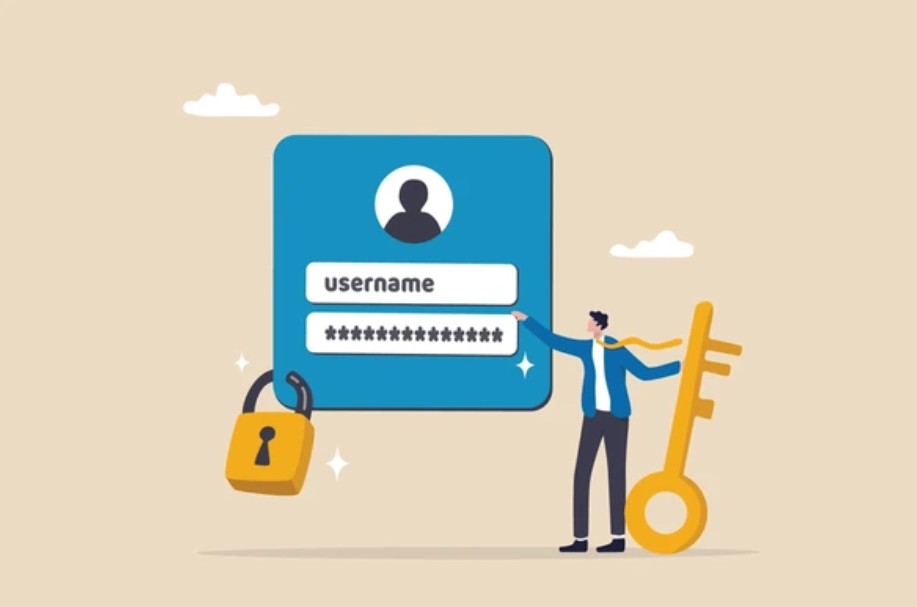
Social impact programmes often collect sensitive information from vulnerable populations, creating significant ethical and legal responsibilities to protect that data. This comprehensive guide explores best practices for maintaining robust data security while still gathering the information needed to deliver and evaluate effective services.
Understanding the Stakes
Data security breaches in social impact settings carry particularly serious consequences:
- Potential harm to already vulnerable individuals
- Breach of trust with participants and communities
- Legal liability under data protection regulations
- Reputational damage to organisations
- Undermining of programme effectiveness
- Ethical compromise of the helping relationship
These risks make data security not merely a technical requirement but a fundamental ethical obligation for organisations working with vulnerable people.
Key Principles for Social Impact Data Security
1. Data Minimisation
Collect only what is genuinely necessary:
- Audit existing data collection to identify unnecessary items
- Challenge "just in case" data gathering
- Separate identifying data from programme information where feasible
- Consider anonymous or aggregated approaches when possible
Every piece of data collected creates both value and risk—the balance must be explicitly considered.
2. Purpose Limitation
Be explicit and disciplined about data usage:
- Clearly define and document intended data uses
- Review requests for new uses against original purposes
- Obtain additional consent for significant purpose changes
- Resist "scope creep" in data utilisation
3. Risk-Proportionate Safeguards
Match security measures to sensitivity and risk:
- Conduct formal risk assessment for data holdings
- Implement stronger protections for higher-risk information
- Consider both digital and physical security measures
- Develop context-specific security classifications
4. Participant Control
Give participants genuine agency over their information:
- Obtain truly informed consent for data collection
- Provide accessible options for reviewing personal data
- Create clear processes for withdrawal of consent
- Design child-appropriate mechanisms where relevant
Technical Security Measures
Essential Digital Safeguards
- Encryption: Both for stored data and transmission
- Access controls: Based on need-to-know principles
- Secure authentication: Multi-factor where appropriate
- Regular updates: For all systems and software
- Network security: Including appropriate firewalls
- Mobile security: For field-based data collection
- Backup systems: With appropriate security controls
Physical Security Considerations
- Secure storage for paper records
- Clear desk policies in shared spaces
- Physical access controls for sensitive areas
- Secure disposal processes for obsolete records
- Transport protocols for moving sensitive information
Compliance Frameworks
UK and European Regulations
- General Data Protection Regulation (GDPR)
- Data Protection Act 2018
- Specific sectoral requirements (e.g., for health data)
Special Considerations for Vulnerable Groups
Additional requirements typically apply when working with:
- Children and young people
- Individuals with diminished capacity
- Victims of abuse or exploitation
- Asylum seekers and refugees
- Those with stigmatised conditions
Building a Security-Conscious Culture
Technical measures alone cannot ensure data security without a supportive organisational culture:
Leadership Commitment
- Executive-level responsibility for data protection
- Regular board-level review of security measures
- Visible prioritisation of security in decision-making
- Adequate resource allocation for protection measures
Staff Development
- Role-specific security training for all staff
- Regular awareness updates about emerging threats
- Recognition of good security practices
- Clear accountability for security responsibilities
Continuous Improvement
- Regular security audits and assessments
- Learning from near-misses and incidents
- Monitoring of emerging security standards
- Updating of practices based on new threats
Conclusion
Data security in social impact programmes represents both a legal requirement and an ethical obligation to those we serve. By implementing appropriate technical measures, developing clear processes, and fostering a security-conscious culture, organisations can protect vulnerable participants while still gathering the information needed for effective programme delivery and evaluation.
The most successful approaches treat security not as an obstacle to impact but as an essential foundation for trustworthy, ethical practice. When participants know their information is respected and protected, they can engage more confidently with the programmes designed to support them.
Learn More
Need guidance on data security for your social impact programme?
Get in Touch