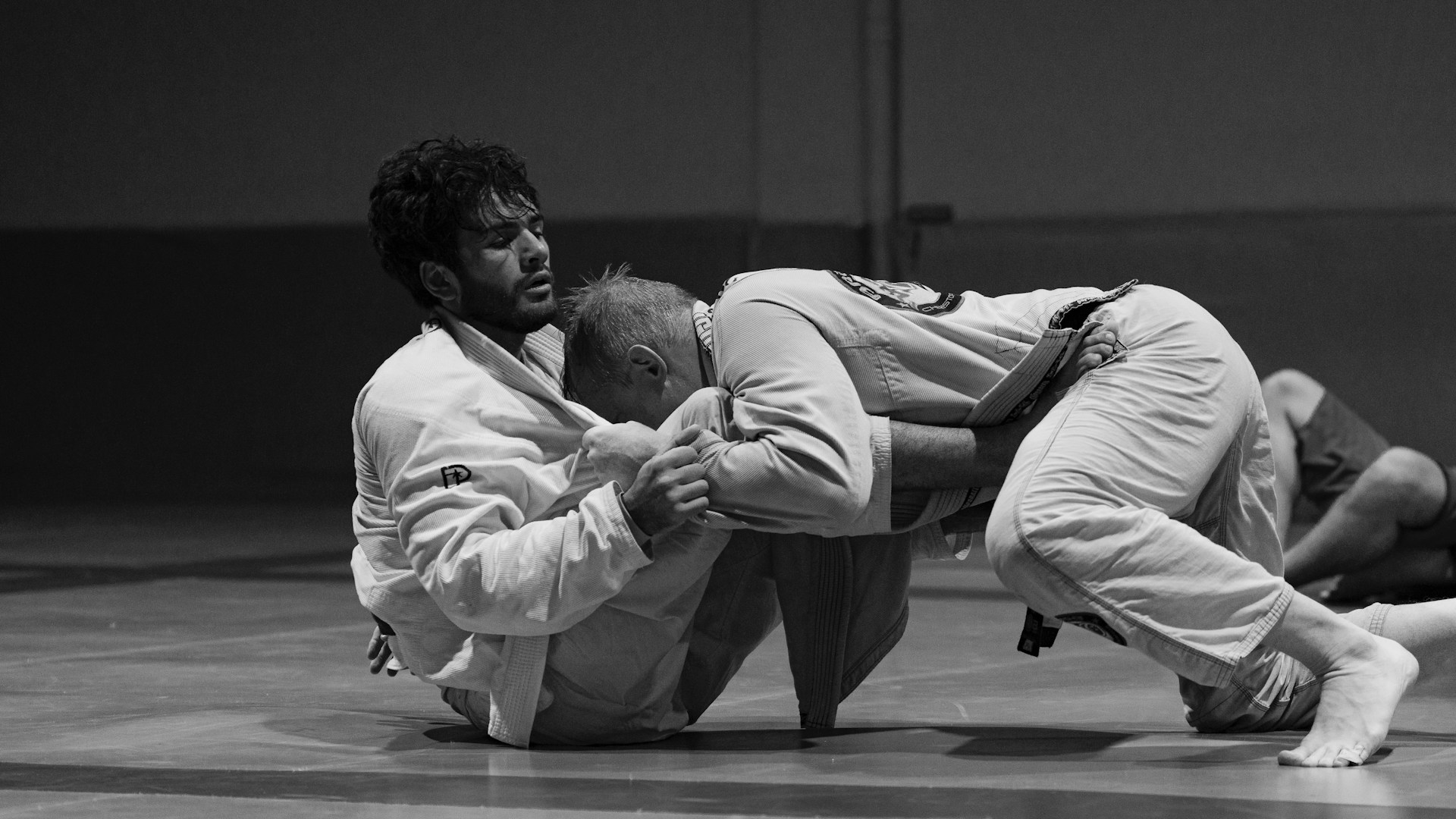
BJJ Self-Leadership Programme
Evidence-based programme integrating Brazilian Jiu-Jitsu with self-leadership theory for neurodivergent youth ages 12-16
Bottom Line Up Front (BLUF)
The BJJ Self-Leadership Programme is a comprehensive, evidence-based training framework that uses Brazilian Jiu-Jitsu as a vehicle for developing self-leadership skills in neurodivergent youth. The programme includes 8 structured lesson plans (90 minutes each), complete instructor resources, and adaptation strategies for diverse learning needs.
Programme Overview
This programme represents a unique integration of martial arts practice with self-leadership theory, specifically designed for neurodivergent young people aged 12-16. By combining the physical, experiential learning of Brazilian Jiu-Jitsu with structured self-leadership development, the programme creates a powerful environment for personal growth.
Why BJJ for Neurodivergent Youth?
Brazilian Jiu-Jitsu offers unique advantages for neurodivergent learners:
- Concrete, experiential learning: Techniques are learned through physical doing rather than abstract explanation
- Clear progression structure: Belt system provides visible, achievable milestones
- Immediate feedback loop: Technique success or failure is felt immediately in the body
- Problem-solving focus: BJJ is often called "physical chess", appealing to analytical minds
- Sensory regulation: Deep pressure and proprioceptive input can be calming
- Individual within group: Training is partner-based but ultimately personal development
Self-Leadership Framework
The programme integrates six core components of self-leadership:
Self-Awareness
Understanding internal states, patterns, and responses
Self-Goal Setting
Creating meaningful, achievable process-oriented goals
Self-Motivation
Building internal drive through natural rewards and progress
Self-Observation
Monitoring behaviour and performance without judgment
Self-Cueing
Using reminders and physical anchors to support desired behaviours
Self-Reinforcement
Celebrating progress, effort, and growth
Programme Structure
The programme consists of 8 progressive lessons, each 90 minutes long:
Lesson 1: Foundation & Self-Awareness
Basic movements, breathing, body awareness, comfort zones
Lesson 2: Emotional Regulation & Base
Base position, framing, breathing under pressure
Lesson 3: Problem-Solving & Escapes
Mount escape, STOP framework, strategic thinking
Lesson 4: Resilience & Guard Recovery
Guard retention, recovery techniques, growth mindset
Lesson 5: Confidence & Mount Control
Mount position, assertiveness, building self-efficacy
Lesson 6: Communication & Sweeps
Basic sweeps, non-verbal communication, cooperation
Lesson 7: Adaptability & Transitions
Position transitions, mental flexibility, flowing with change
Lesson 8: Integration & Celebration
Review, reflection, personal growth celebration
Comprehensive Instructor Resources
The train-the-trainer manual includes extensive resources for effective delivery:
Adaptation Strategies
Specific guidance for supporting students with:
- Autism Spectrum Condition (ASC)
- Attention Deficit Hyperactivity Disorder (ADHD)
- Anxiety
- Dyspraxia
Behavioural Support Techniques
- Preventive strategies
- In-the-moment supports
- De-escalation protocols
- Positive reinforcement approaches
Assessment & Progress Tracking
- Holistic assessment frameworks
- Progress tracking tools
- Individual student portfolios
- Parent/caregiver communication templates
Evidence Base
The programme draws on research from multiple disciplines:
- Organisational Psychology: Self-leadership theory and frameworks
- Positive Psychology: Growth mindset, resilience, self-efficacy
- Neurodevelopmental Research: Understanding neurodivergent learning styles
- Trauma-Informed Practice: Creating safe, supportive environments
- Sports Psychology: Physical activity as intervention for ADHD and autism
Expected Outcomes
Students who complete the programme typically demonstrate growth in:
Self-Awareness
Better recognition of internal states and triggers
Self-Regulation
Improved emotional and behavioural control
Problem-Solving
Strategic thinking and persistence
Resilience
Ability to recover from setbacks
Confidence
Increased self-efficacy and assertiveness
Communication
Enhanced verbal and non-verbal skills
Adaptability
Flexibility in response to change
Social Connection
Improved peer relationships
Implementation Considerations
Instructor Requirements
- BJJ experience (minimum blue belt recommended)
- Understanding of neurodivergence and inclusive practice
- Commitment to trauma-informed, neurodiversity-affirming approaches
- Patience, flexibility, and genuine care for young people
Environmental Setup
- Consistent training location with clear boundaries
- Reduced sensory input (controlled lighting and sound)
- Designated quiet corner for breaks
- Visual schedules and supports
- Organized equipment systems
Group Size
Optimal group size is 4-8 students to allow for:
- Individualized attention and support
- Partner rotation and social connection
- Manageable instructor oversight
- Safe, supportive learning environment
Related Resources
This programme complements our other BJJ and neurodiversity resources:
Note: This programme has been designed with safeguarding and ethical practice as core principles. All activities prioritize student safety, consent, and wellbeing.
Interested in Programme Consultation?
I can help you implement this programme in your academy or adapt it for your specific context, with evidence-based guidance and ongoing support.
Get in Touch